
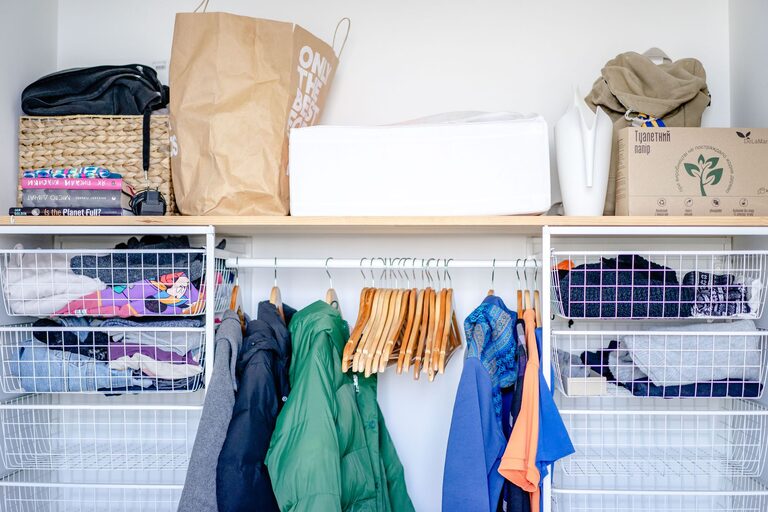
Storing seasonal clothes efficiently can save you time, space, and keep your wardrobe in excellent condition. Whether you’re putting away winter coats, summer dresses, or holiday sweaters, having a clear system makes switching seasons much easier. In this post, we’ll explore practical steps to store your seasonal clothes neatly, protect them from damage, and maximize your closet and storage space.
Why Proper Storage Matters
When you store clothes without a plan, they can become wrinkled, damaged by pests, or lose their shape. Proper storage helps:
– Maintain fabric quality
– Prevent pests like moths
– Save space in your closet or storage areas
– Make seasonal transitions quick and stress-free
Preparing Clothes for Storage
Before packing away seasonal garments, take time to prepare them properly.
Clean Everything First
Always wash or dry clean clothes before storing. Dirt, sweat, and oils can attract pests or cause stains to set over time. Follow care labels carefully, and make sure clothes are completely dry to avoid mold and mildew.
Repair and Sort
Check for loose buttons, tears, or stains that need attention. Repair any damages to prevent further wear. Sort clothes by type (e.g., sweaters, pants, dresses) or fabric to make it easier when you unpack.
Choose the Right Storage Method
Depending on your space and the type of clothing, different methods work best.
Best Storage Solutions for Seasonal Clothes
Use Breathable Garment Bags and Containers
Plastic tubs with airtight lids are good for long-term storage, but only if clothes are clean and dry. Make sure to use breathable garment bags for delicate fabrics like wool or silk to prevent moisture buildup.
Vacuum-Seal Bags
These bags compress bulky items such as winter coats and sweaters, saving significant space. However, use them cautiously with delicate fabrics, as the compression can damage fibers over time.
Hanging vs. Folding
– Hanging: Use padded hangers for coats, dresses, and suits to maintain shape. Cover with breathable garment bags.
– Folding: Fold knitwear and delicate fabrics to avoid stretching. Use acid-free tissue paper to reduce creasing.
Label Everything
Label bins, bags, or boxes clearly. Include the type of clothing and season to save time when retrieving items.
Tips to Protect Clothes During Storage
Use Cedar or Natural Moth Repellents
Avoid chemical mothballs; instead, opt for natural repellents like cedar blocks, lavender sachets, or rosemary. These deter moths and add a pleasant scent.
Store in a Cool, Dry Place
Avoid basements or attics that can be damp or excessively hot. Choose a closet, under-bed storage, or another area with good air circulation and stable temperatures.
Keep Clothes Elevated
Place storage containers off the floor to prevent damage from moisture or pests.
Organizing Your Storage Space
Prioritize Accessibility
Store the current season’s clothes in your main closet and keep off-season clothes in less accessible areas. This keeps your everyday routine clutter-free.
Use Clear Containers
Transparent bins let you see what’s inside without opening them, making it easier to find items.
Rotate Clothing Seasonally
Develop a habit of switching your wardrobe twice a year. This keeps clothes fresh and prevents long-term compression or wrinkles.
Quick Checklist for Seasonal Clothes Storage
– Wash or dry clean clothes
– Repair any damage
– Sort by type and season
– Use breathable garment bags or clear bins
– Store in a cool, dry location
– Add natural moth repellents
– Label containers clearly
– Avoid overpacking containers to reduce wrinkles
– Rotate clothes seasonally
Final Thoughts
Efficiently storing your seasonal clothes not only preserves their quality but also helps maintain an organized home. Taking these small steps can make a big difference when the seasons change. With a tidy, well-planned system, you’ll enjoy easier mornings and less closet clutter all year round.
Happy organizing!