
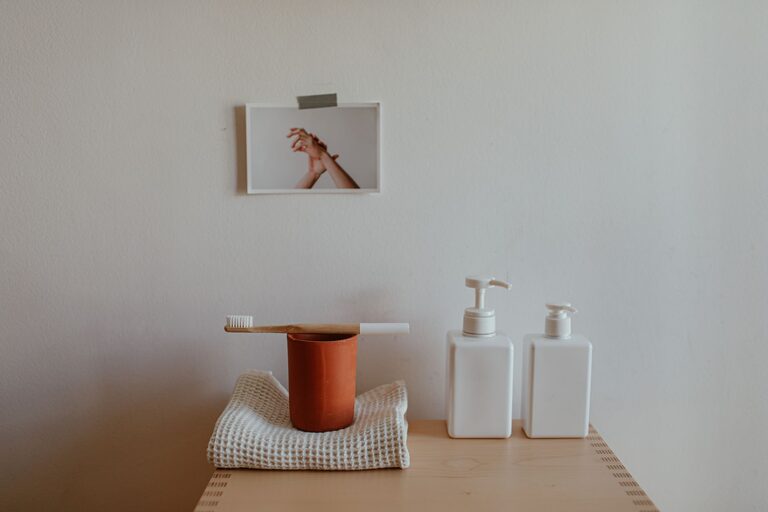
Taking time for self-care is essential for maintaining a healthy balance in life, but it doesn’t have to involve expensive spa days or costly products. You can nurture your well-being at home with simple, affordable activities that promote relaxation, mindfulness, and happiness. Here are some ideas for low-cost self-care you can easily incorporate into your daily routine.
Why Self-Care Matters
Self-care helps reduce stress, improve mood, and boost overall health. It’s about making time for yourself, even when life gets busy. Prioritizing self-care can increase your energy, creativity, and resilience. Remember, self-care looks different for everyone — it’s about what feels nurturing and restorative to you.
Creating a Calm Environment at Home
Your surroundings significantly impact your mood and stress levels. Here are some easy and affordable ways to create a peaceful space:
Declutter Your Space
A tidy room can lead to a clearer mind. Spend a few minutes each day decluttering one area — your desk, a shelf, or a corner. Donate or recycle items you no longer need.
Use Natural Light and Fresh Air
Open your windows to let in sunlight and fresh air. Natural light boosts your mood and helps regulate your sleep cycle.
Add Greenery
Plants improve air quality and add a calming touch to any room. If you can’t invest in live plants, photos or prints of nature scenes can also have a soothing effect.
At-Home Relaxation Ideas
Self-care doesn’t have to be complicated or expensive. Here are some simple ways to relax and recharge at home:
Take Warm Baths
A warm bath can relax your muscles and calm your mind. Enhance the experience with inexpensive additions like Epsom salts, baking soda, or a few drops of essential oils such as lavender or eucalyptus.
Practice Mindful Breathing
Spend a few minutes focusing on your breath. Deep breathing exercises reduce anxiety and help center your thoughts. Try inhaling slowly for four seconds, holding for four, and exhaling for four.
Meditate or Try Guided Relaxation
Free apps and online videos offer meditation and relaxation sessions for beginners. Even five to ten minutes daily can improve your sense of calm.
Creative Self-Care Activities
Engaging in creative activities can be a fun and therapeutic way to care for yourself:
Journaling
Writing down your thoughts, feelings, or daily reflections can help reduce stress and increase self-awareness. Try gratitude journaling by noting three things you’re thankful for each day.
Drawing or Coloring
Adult coloring books or doodling can be a relaxing form of creative expression. Use whatever materials you have at home—pencils, crayons, or markers.
Cooking or Baking
Trying a new recipe or preparing a favorite comfort meal can be both nourishing and enjoyable. Cooking at home helps you focus on wholesome ingredients and the joy of creating.
Movement and Physical Self-Care
Physical activity plays a key role in self-care. It doesn’t need to be intense or costly:
Gentle Stretching or Yoga
You can find plenty of free beginner yoga or stretching videos online. These practices improve flexibility, reduce tension, and promote a sense of well-being.
Walking
A simple walk around your neighborhood or in a nearby park helps clear your mind and increase your energy. Aim for just 10-20 minutes a day.
Dance
Put on your favorite music and dance freely in your living room. This lifts your mood and gets your blood flowing.
Pampering on a Budget
You don’t need high-end products to pamper yourself. Here are some affordable ideas:
DIY Face Masks
Use natural ingredients from your kitchen, such as honey, yogurt, oatmeal, or mashed avocado, to create nourishing face masks.
Home Manicures or Pedicures
Treat your hands and feet by soaking them in warm water, exfoliating, and applying lotion or cuticle oil. Take your time and enjoy the process.
Scalp or Foot Massage
Massaging your scalp or feet with your fingertips or a simple tool can promote relaxation and relieve tension.
Establishing a Routine
Consistency is key to making self-care a habit. Set aside specific times for your activities, even if only for a few minutes. You can combine several ideas into a routine that works for you. For example, start the morning with deep breathing, enjoy a short walk midday, and end the day with journaling or a warm bath.
Final Thoughts
Self-care doesn’t have to be expensive or complicated. By incorporating small, affordable practices into your daily life, you can support your mental and physical well-being in meaningful ways. Remember, the most important part is listening to your needs and giving yourself permission to relax and recharge.
Give these ideas a try and see what makes you feel your best!