
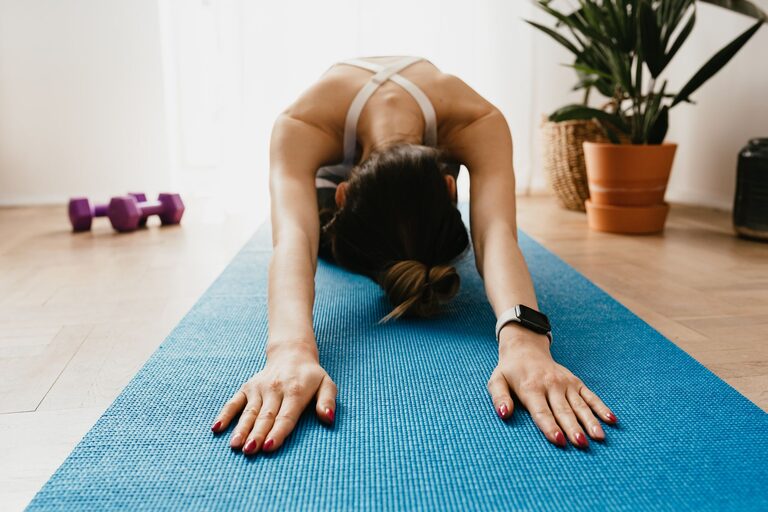
Stretching is a valuable practice that everyone can benefit from, regardless of age or fitness level. It helps increase flexibility, improve circulation, reduce muscle stiffness, and promote relaxation. The best part? You don’t need any special equipment or a gym membership to start stretching. With just a little space at home and a few minutes each day, you can develop a routine that supports your overall well-being. This beginner’s guide will walk you through the basics of stretching at home, safe techniques, and some simple stretches you can try today.
Why Stretching Matters
Stretching is often overlooked but plays an important role in maintaining muscle health and mobility. When you stretch regularly, your muscles stay supple and joints move more freely. This can lead to:
– Improved posture
– Better range of motion
– Reduced risk of injury
– Relief from muscle tension and soreness
– Enhanced blood flow to muscles
Whether you spend long hours sitting, engage in physical activities, or just want to feel more comfortable in your daily movements, incorporating stretching into your routine can make a big difference.
Getting Started: What You Need
One of the great things about stretching at home is its simplicity. Here’s what you’ll need to get started:
– Comfortable clothing: Wear loose or stretchy clothes that allow you to move freely.
– A quiet space: Find a spot with enough room to stretch out without obstacles.
– A yoga mat (optional): Provides cushioning, especially if you plan to stretch on hard floors.
– Water bottle: It’s good to stay hydrated before and after your session.
No fancy equipment or gym gear is necessary. The key is consistency and paying attention to how your body feels.
Safety Tips for Beginners
Before diving into stretching, keep these safety tips in mind to avoid injury:
– Warm up first: Stretching cold muscles can cause strains. Do light cardio for 3-5 minutes like walking in place or gentle arm swings.
– Stretch slowly: Move into each stretch gradually and avoid bouncing. Hold stretches steadily for 15-30 seconds.
– Listen to your body: Stretching should feel gentle, not painful. Stop if you feel sharp pain or discomfort.
– Breathe deeply: Steady breathing helps relax your muscles and improves oxygen flow.
– Don’t overstretch: Aim for a mild tension, not full discomfort or pain.
Remember, stretching is about lengthening muscles safely, not forcing them beyond their limits.
Basic Stretching Routine for Beginners
Here’s a simple stretching routine that targets major muscle groups. You can do it daily or as part of your warm-up or cool-down after exercise.
1. Neck Stretch
– Sit or stand tall with shoulders relaxed.
– Slowly tilt your head toward your right shoulder until you feel a gentle stretch on the left side of your neck.
– Hold for 20 seconds, then switch sides.
2. Shoulder Stretch
– Bring your right arm across your chest.
– Use your left hand to gently press your right arm closer to your chest.
– Hold for 20-30 seconds. Repeat with the other arm.
3. Triceps Stretch
– Raise your right arm overhead and bend your elbow to touch the middle of your upper back.
– Use your left hand to gently press your right elbow down.
– Hold for 20-30 seconds. Switch arms.
4. Side Stretch
– Stand with feet shoulder-width apart.
– Raise your right arm overhead and gently lean to the left side.
– Keep your hips facing forward and hold for 20 seconds. Repeat on the other side.
5. Hamstring Stretch
– Sit on the floor with your right leg extended and your left leg bent, foot against the inner thigh of your right leg.
– Reach your hands toward your right toes while keeping your back straight.
– Hold for 20-30 seconds. Switch legs.
6. Quadriceps Stretch
– Stand and balance on your left foot (hold a wall or chair for support if needed).
– Bend your right knee and grab your right ankle with your right hand.
– Gently pull your ankle toward your buttocks until you feel a stretch in the front of your thigh.
– Hold for 20-30 seconds. Switch legs.
7. Calf Stretch
– Stand facing a wall. Place both hands on the wall at shoulder height.
– Step your right foot back, keeping the heel flat and leg straight. Bend your left knee slightly.
– Lean forward until you feel a stretch in the right calf. Hold for 20-30 seconds. Switch legs.
Tips to Make Stretching a Habit
– Set a regular time: Stretch in the morning, during breaks, or before bed to build consistency.
– Use reminders: Set a phone alert or put sticky notes in visible places.
– Combine with other activities: Stretch while watching TV, listening to music, or after walking.
– Track progress: Notice improvements in flexibility and comfort to stay motivated.
– Stay patient: Flexibility improves gradually with regular practice.
When to Stretch
Stretching can be done at various times:
– After waking up: Helps ease morning stiffness and wake your body gently.
– Before exercise: Use dynamic stretches (movement-based) to prepare your muscles.
– After exercise: Focus on static stretches (holding positions) to help muscles relax and recover.
– During the day: Take short stretching breaks if you sit for long hours to relieve tension.
Finding the right time depends on your schedule and comfort.
Final Thoughts
Stretching at home is a simple, effective way to support your physical health and well-being. With minimal time and effort, you can improve your flexibility, reduce muscle tightness, and enjoy greater ease of movement. Start with the gentle stretches outlined in this guide, practice regularly, and listen to your body’s signals. Over time, stretching can become a relaxing and rewarding part of your daily routine.
Remember: the key is to be consistent and gentle with yourself. Happy stretching!